Eulogy for my father
I had known my dad was changing, approaching the end of his journey, for a long time now. Around ten years ago I started coming out to Florida at least a couple of times each year knowing each visit and each round of pinochle could be our last. Dad loved loved loved pinochle. As it turned out, our last hand of pinochle was this past May when Naz and I visited. (Nazlie is my amazing wife, sitting right there). The stakes were always a quarter a game and a dime a set just like it was during the late sixties and the early seventies when Dad and Herman (his uncle and the booker at the time in the old Amarillo Territory) kept us kids up while they bickered and hollered and played late into the night. By the way, it’s up for debate whether Dad owes me or I owe him 25 cents from that last game…! Even though his body was failing him his spirit never faltered.
A few days after I had gotten home last week and Dad had passed, I had lunch with a good friend, debriefing my experiences and emotions with him. He’s lost a parent too and knows the same grief. I was telling him about Dad and how he lived most of his life in Florida. My friend is from the Basque country in Spain and he told me this saying his family and the Basque people have “ La oveja no es de donde nace sino de donde pace”. “A sheep is not from where it was born, but where it grazes.” Well, Dad would certainly NOT want to be called a sheep. I couldn’t tell you how many times he told Dirk, Penney and me to NOT BE A SHEEP! But it is a fitting quote because Dad really did have two lives, a rich one in Texas and then a long rich one in Florida. I.’m going to tell you mostly about the Texas part of Dad’s life.
I wish I could share with you all of the lessons and sayings we got from Dad while growing up. A few examples include things like telling us that we were lucky to be alive in the world in this time when there is such abundance and when great things happen. He was a scientist as heart. One of his favorite movies was 2001: A Space Odyssey because of hit’s nod to science with the silent scenes in space where there is no sound. Of course we watched the moon landings.
Another one is that life is best lived shared.
Always tell the truth (I guess with the notable exception of kay fabe – which was a bit confusing as a youth).
Always keep your word, and your word is all that is needed.
A person is most successful in the ring and in life when you make whoever you are working with look as good as possible.
We also learned some toughness of course. When we came to him with bruise or a bump we often heard “tape an aspirin to it” or “it’s a long ways from your heart”. Whenever company came over they were usually subjected to Dad making us kids do tricks for them like holding a bridge or doing a walkover. We always had to do laps before playing at hotel swimming pools. We grew up with a tumbling mat in the house, a trampoline, a ping pong table, etc. Dad was very proud of his West Texas State University intramural table tennis championship trophy.
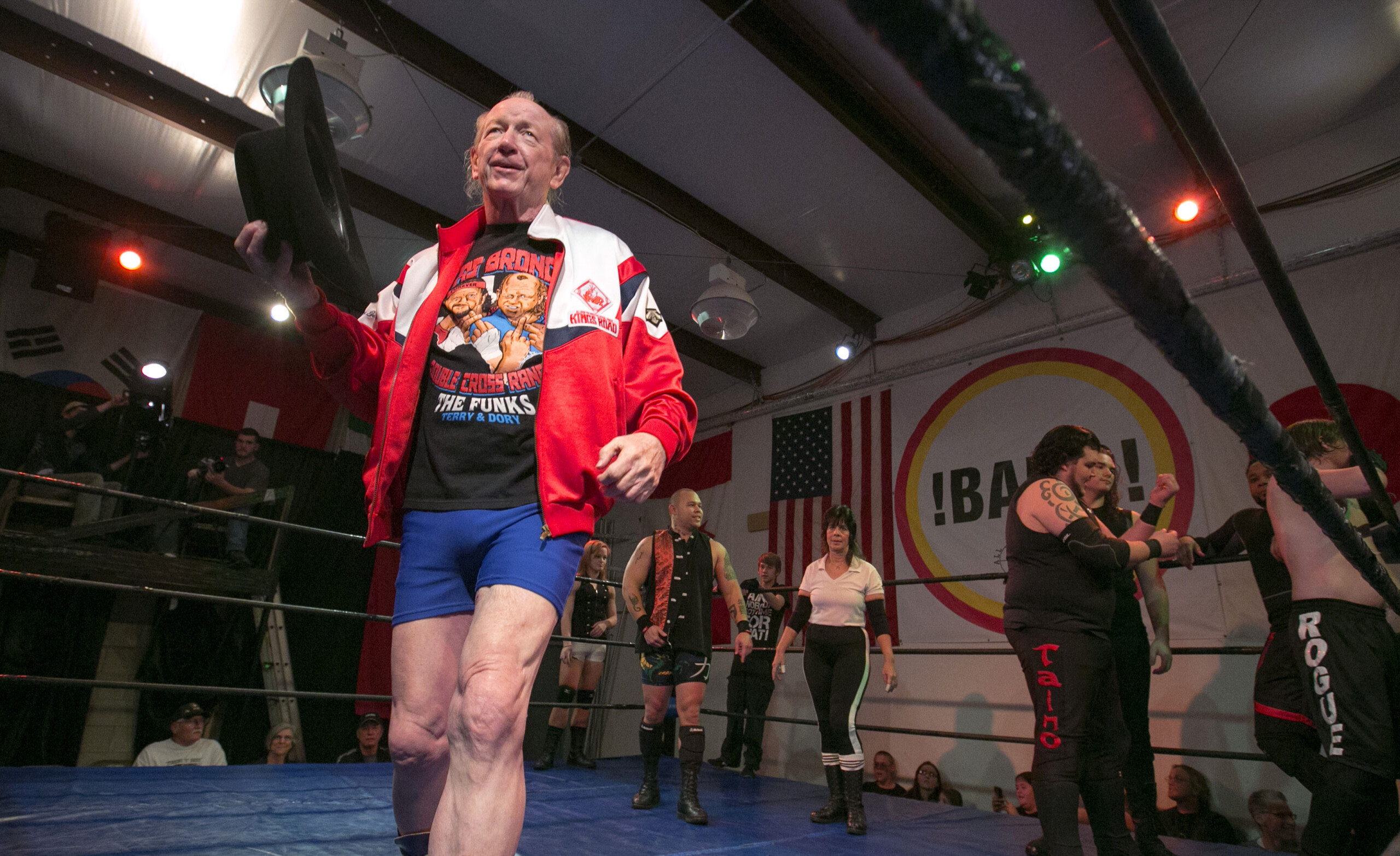
It was play time whenever Dad was home (which was not really very often especially during his 4 plus years with the strap). We played tennis, snow skied and water skied. In fact we taught a lanky goofy 18 year old Bret Hart how to water ski on Lake Meredith one summer when he was staying with our family along with his brothers Burce and Dean.
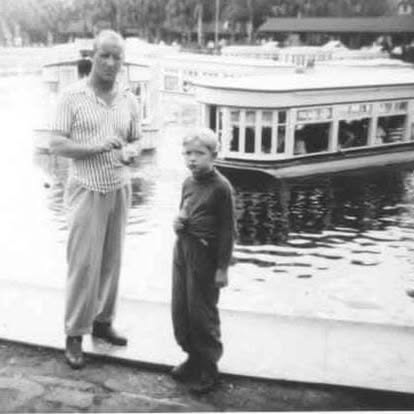
As little kids we road tripped all over the Amarillo Territory with Dad. We were assigned to counting the houses in small territory towns to be sure the pay was right (Abilene especially), running finishes from baby face to heel dressing rooms, squeezing into the Trans Am with Dad, Ricky Romero, the Super Destroyer, and all the others. Always with a fuzz buster, usually with a case of beer for after the matches. Me, Penney and Dirk each have oodles of stories to tell from all those experiences and all those experiences shaped us into who we are.
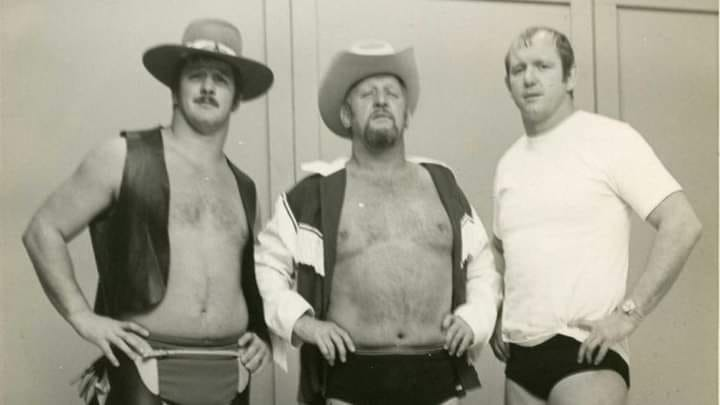
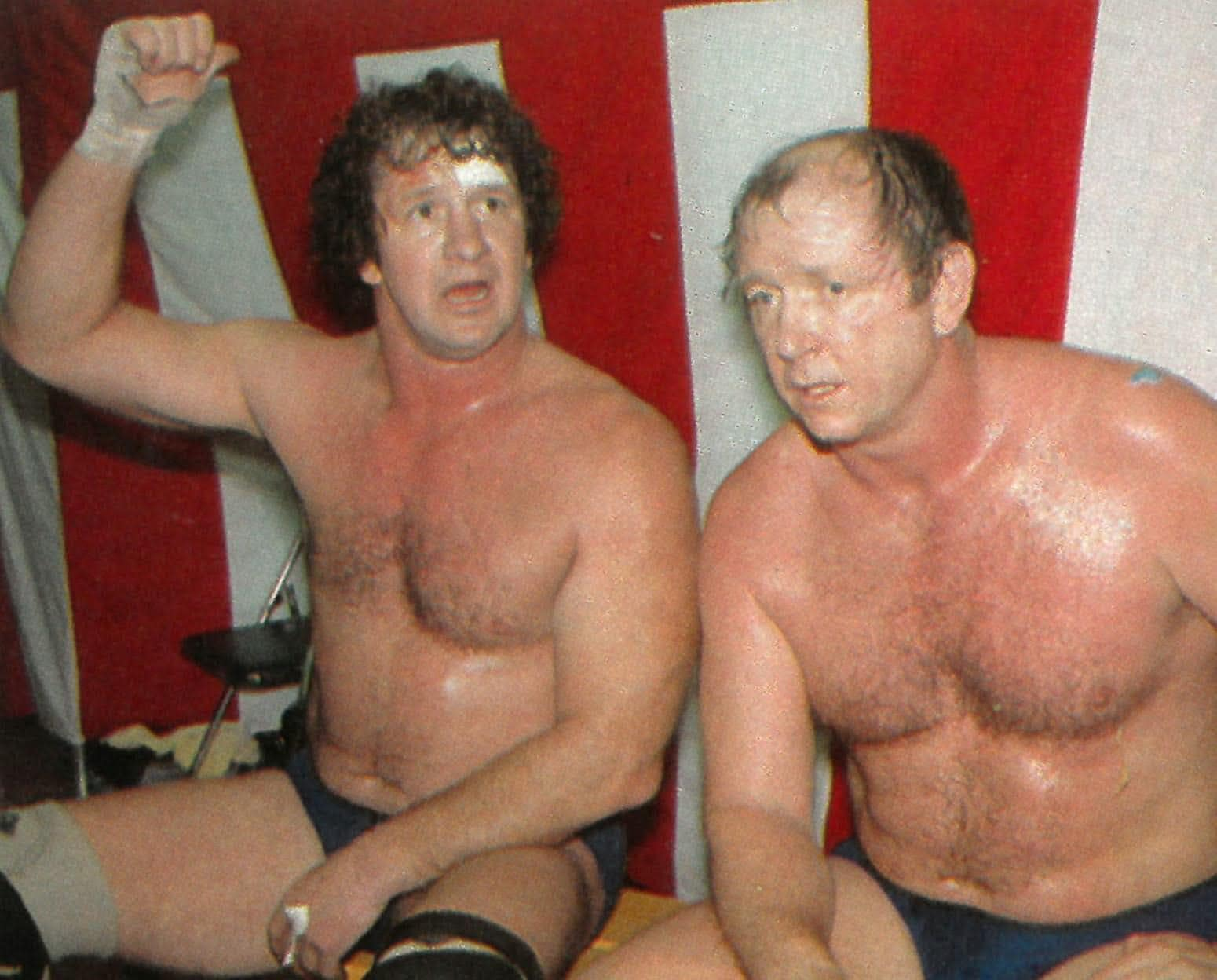
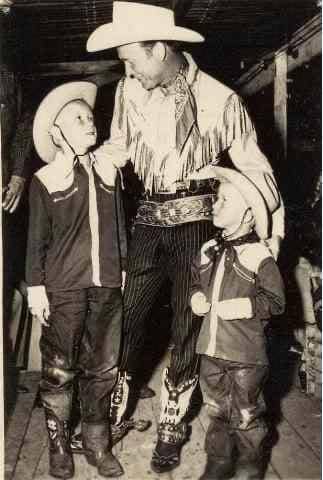
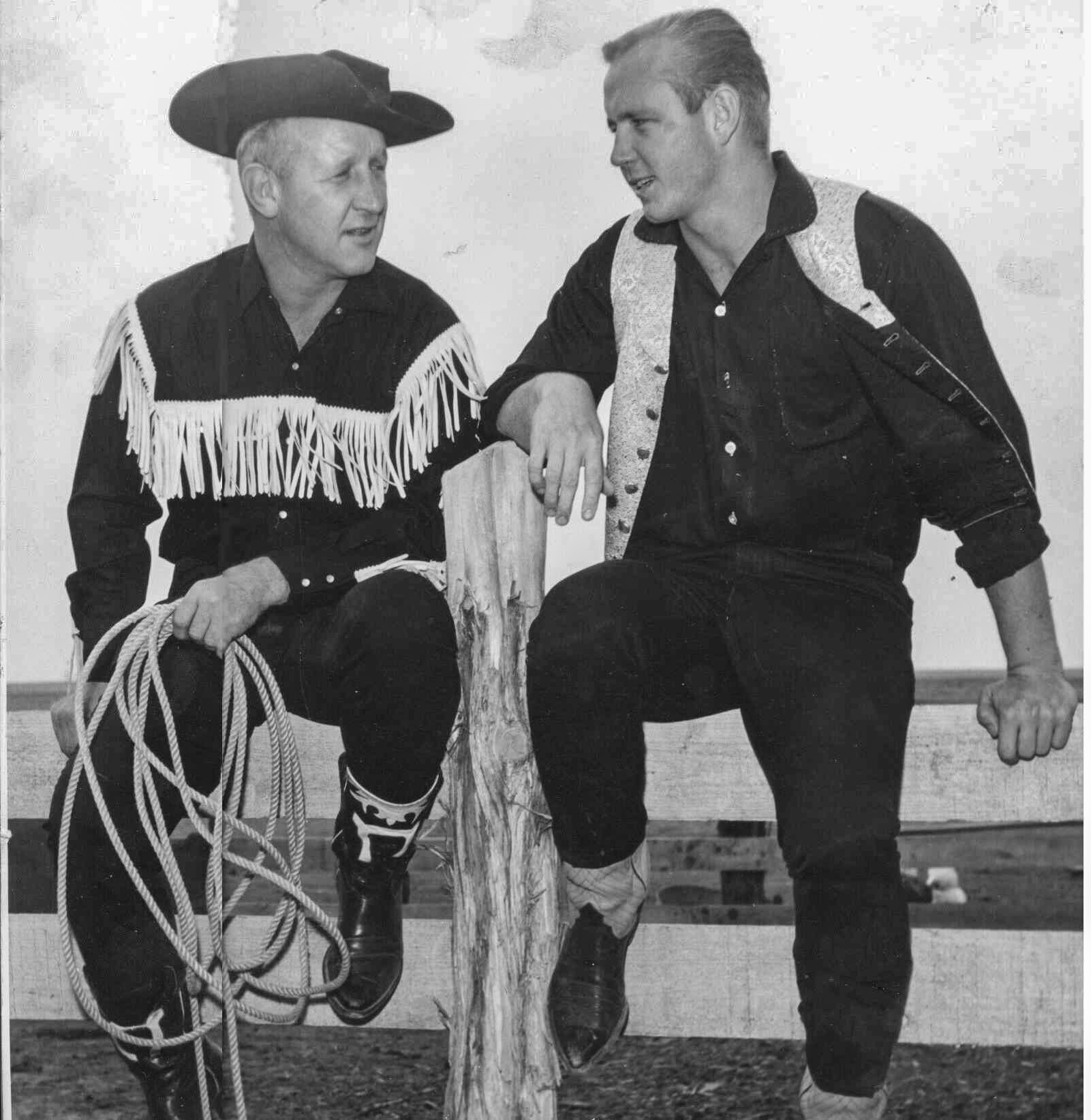
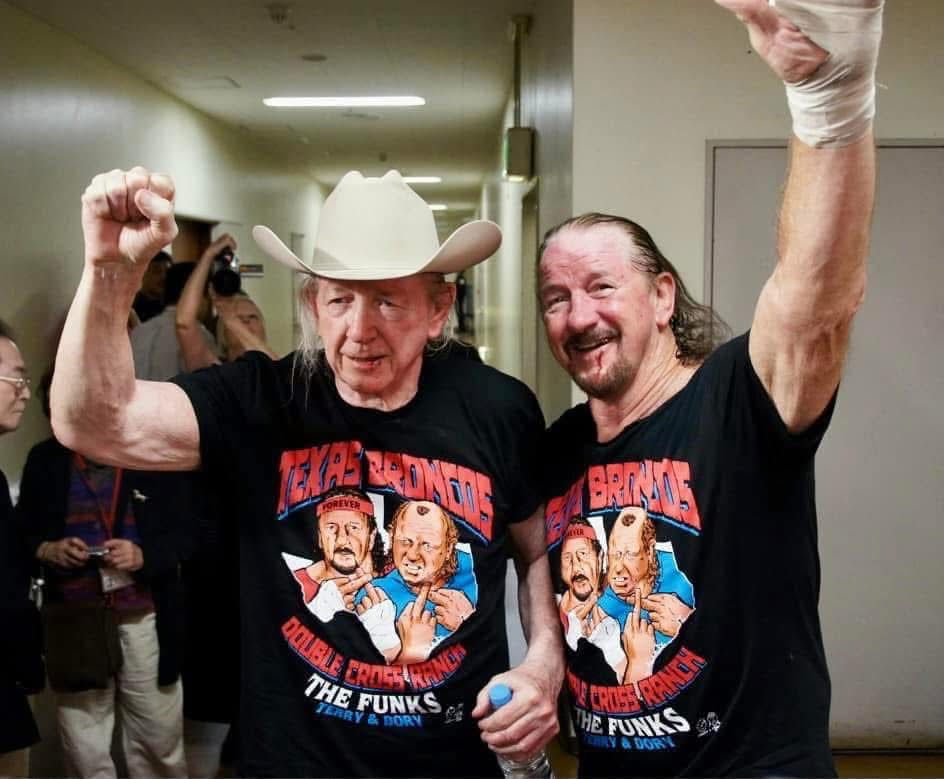
Dad indeed was a cowboy, too. He grew up on the Flying Mare Ranch in Umbarger, Texas. He and Terry had the run of a couple of sections of grass prairie, canyon edge, and some broken ground for hay. They hunted, horsebacked and chased cows. My 88 year old Aunt Francis grew up nearby the ranch. Just the other day she was talking to Dirk and I on the phone. She told us the tale of her and other kids on the tiny country school bus always having to wait on those Funk boys to come running out late for the bus. For a good part of our childhood we too raised cows and hay. I will never forget the site of Dad and Larry Lane, as well as other wrestler friends tossing hay 80 pound hay bales as many as they could stack and as high as they could stack on to our teetering pickup truck. The rule of thumb was a case of beer for every load stacked in the barn on those hot dry Panhandle days.
Even though Dad lived about 2000 miles away from me, he has always been a part of my life. Take that old wrestling card here in the chapel. It is from a show in 1979 at the high school gym in Paonia Colorado – the little town that I started medical practice in in 1994. A patient was at that particular show and he had kept that card as a souvenir and brought it to me in the clinic one day. Dad, Terry, and the boys listed on the card hauled a ring out from Amarillo and did a few spot shows on the western slope that year. I have had it up in a patient exam ever since my patient gave it to me. Let me tell you, that card helped bond me with hundreds of patients who were and had been fans of Dad, Terry and wrestling. It never failed to surprise me just how much Dad meant to those folks, even in small town western Colorado.
Tribute to Marti
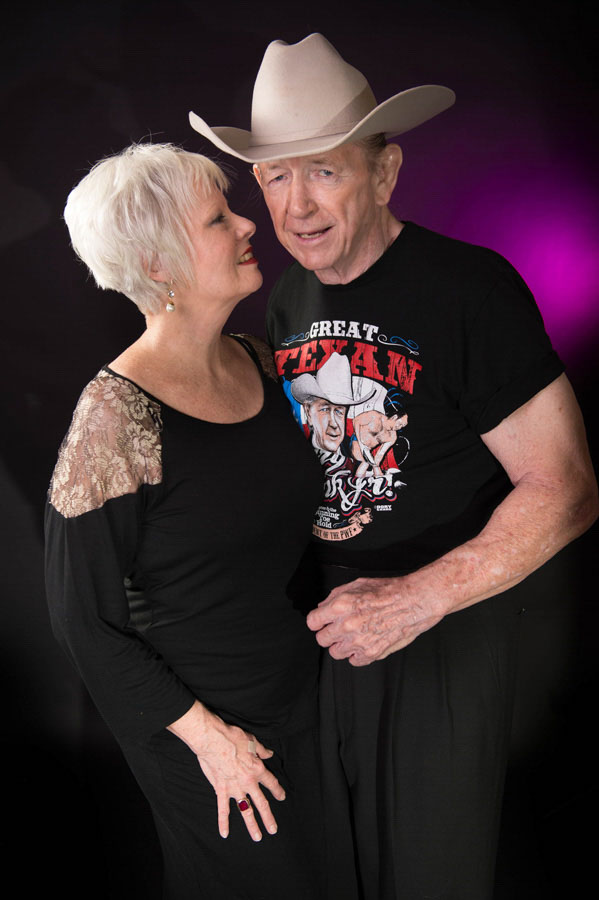
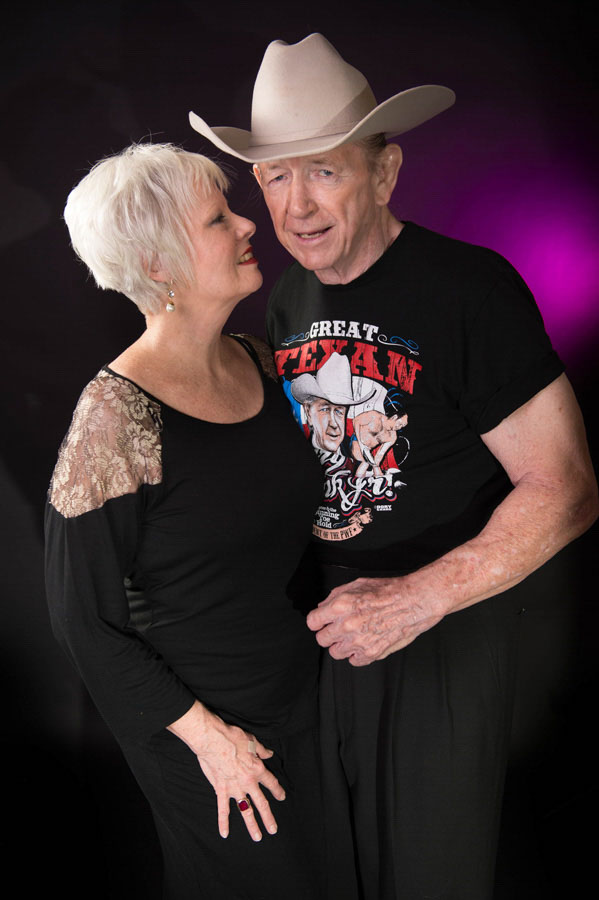
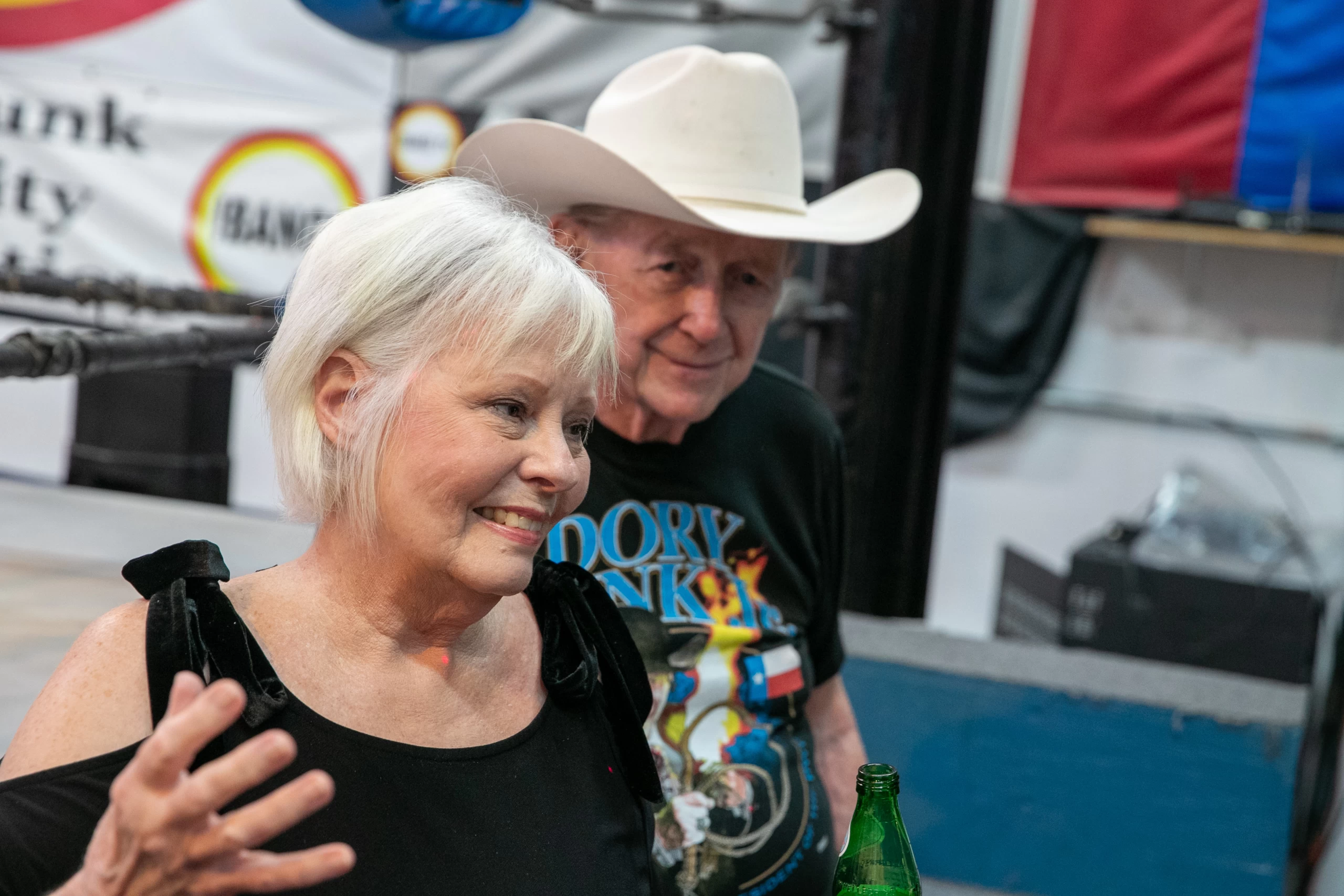
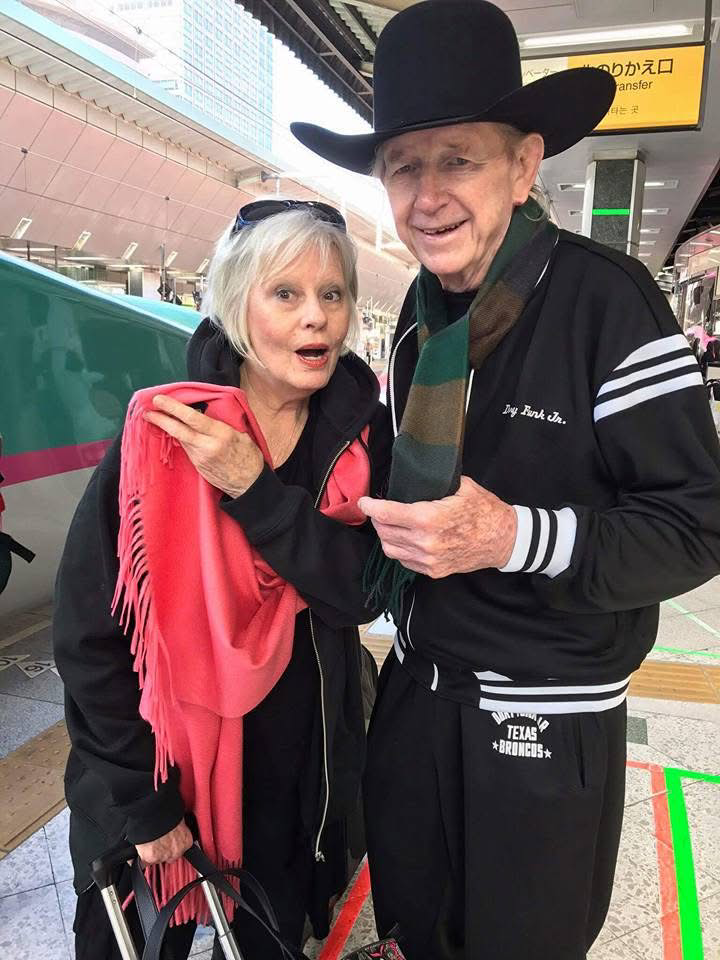
Now how does a kid from the Texas Panhandle like me cotton to a crazy redheaded preacher’s kid who grew up in Miami and chased your dad till he caught her? Well, it took a little time and the gradual realization that she absolutely unconditonally loves Dad more than anything in the world. They were an inseparable being, a true partnership in life. My father was happy, cherished, and deeply loved all through even the toughest part of his last years. And that is because of his loving wife Marti.
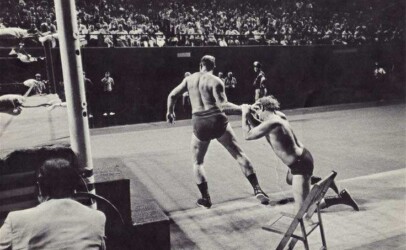
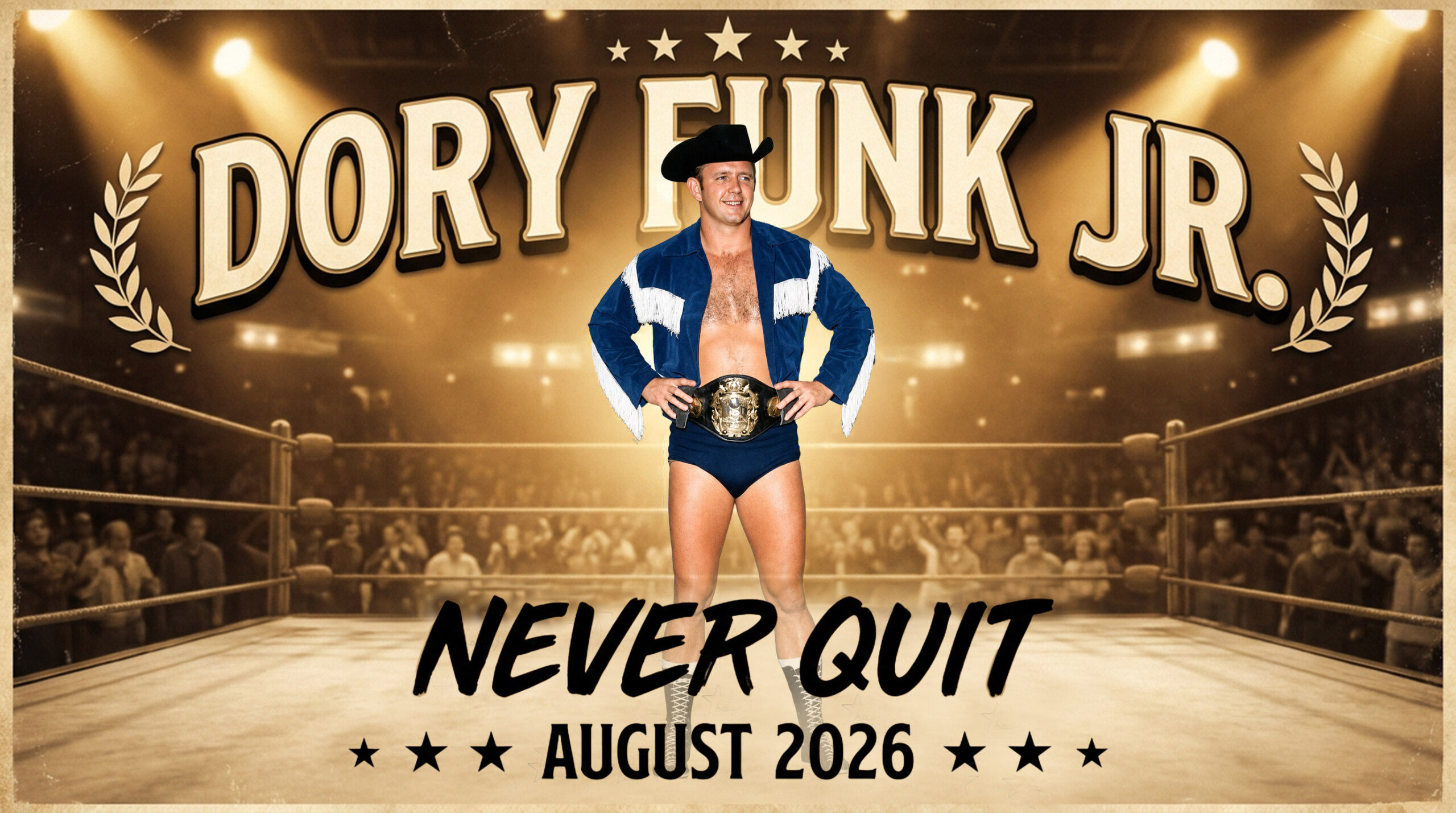
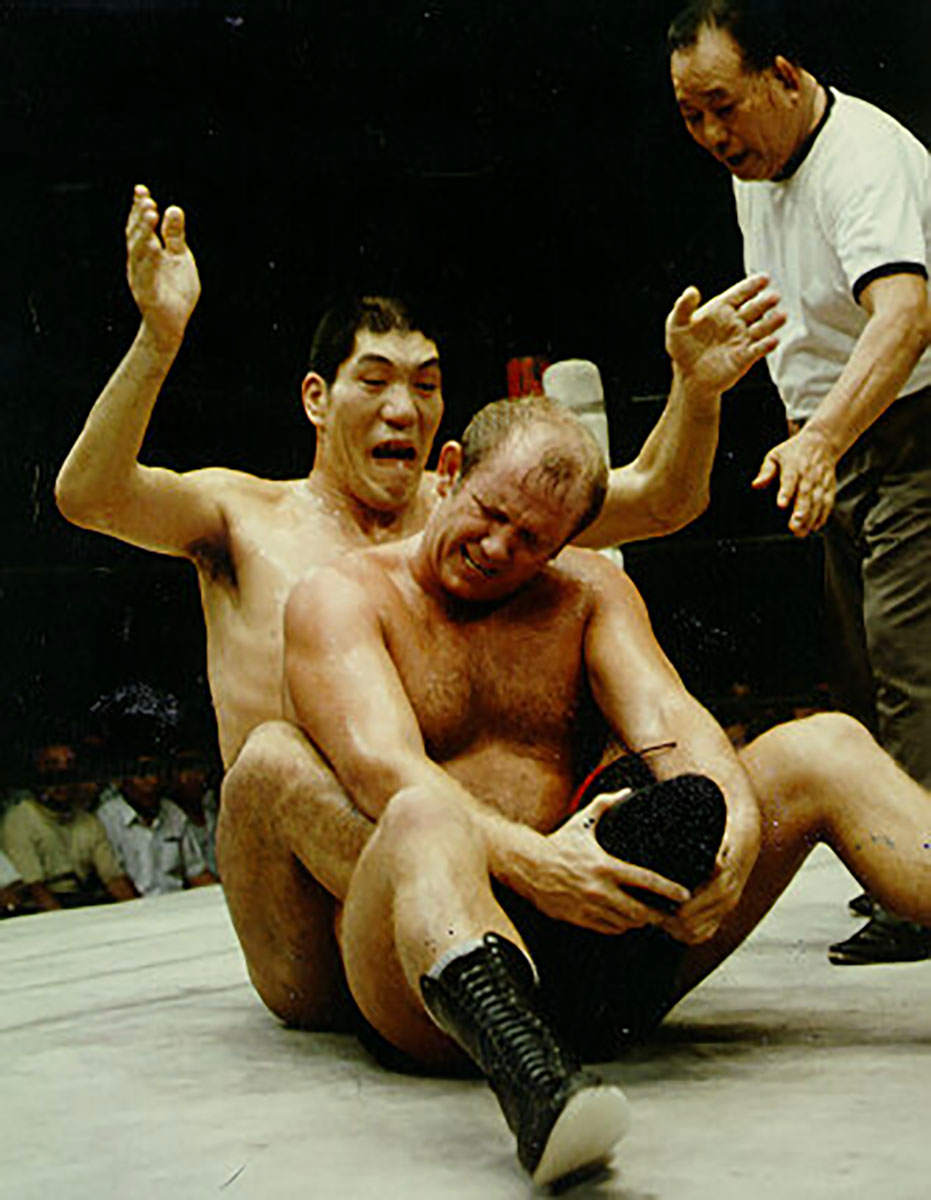
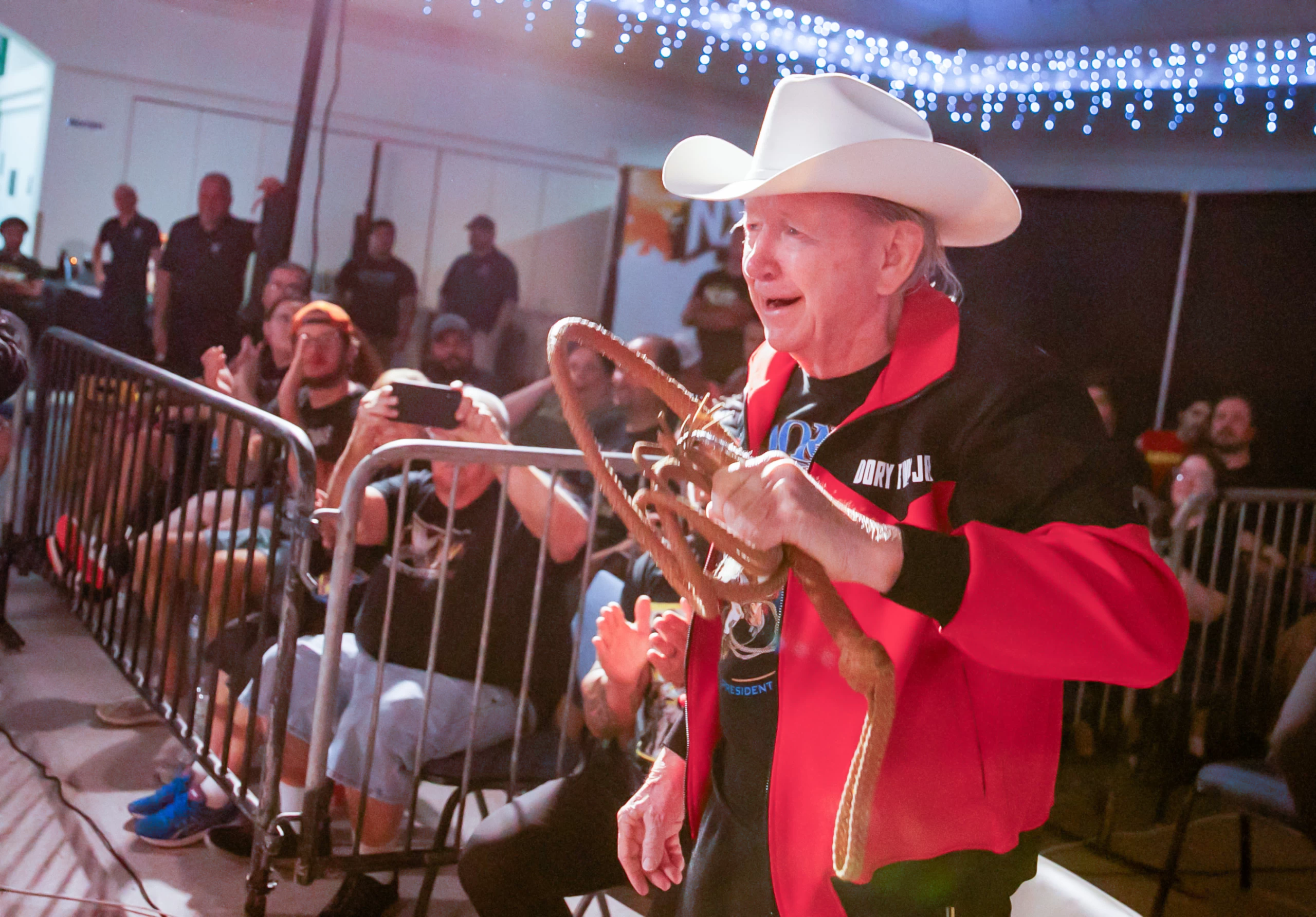
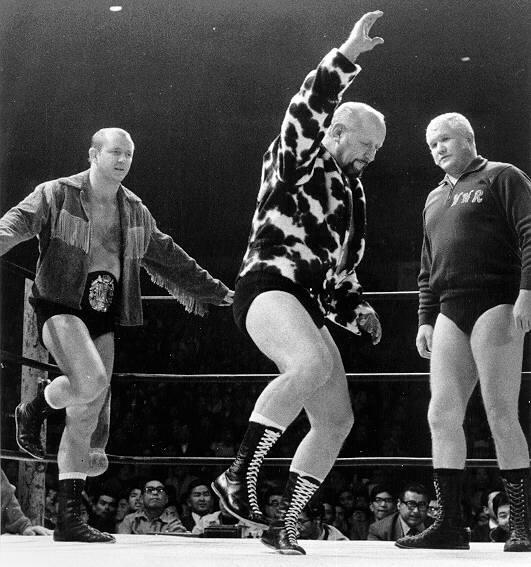
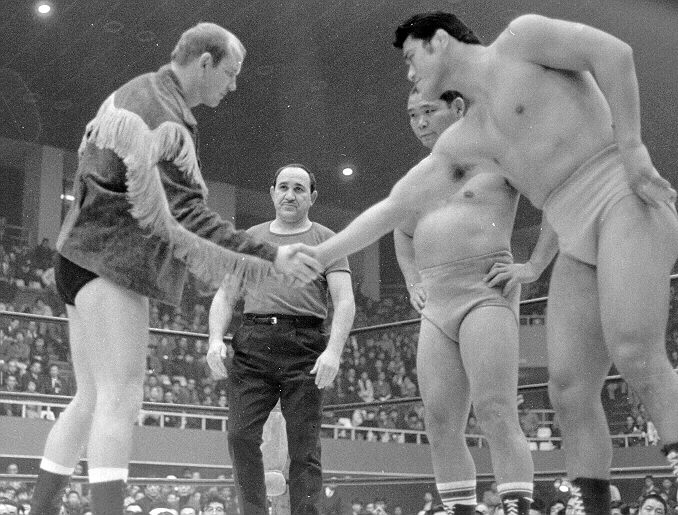
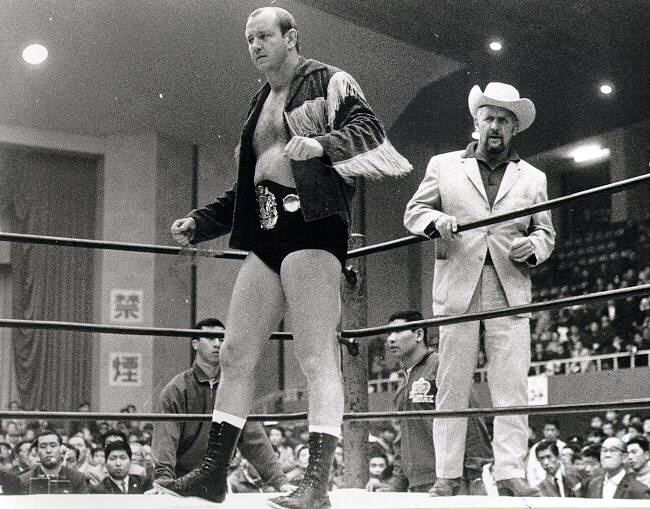
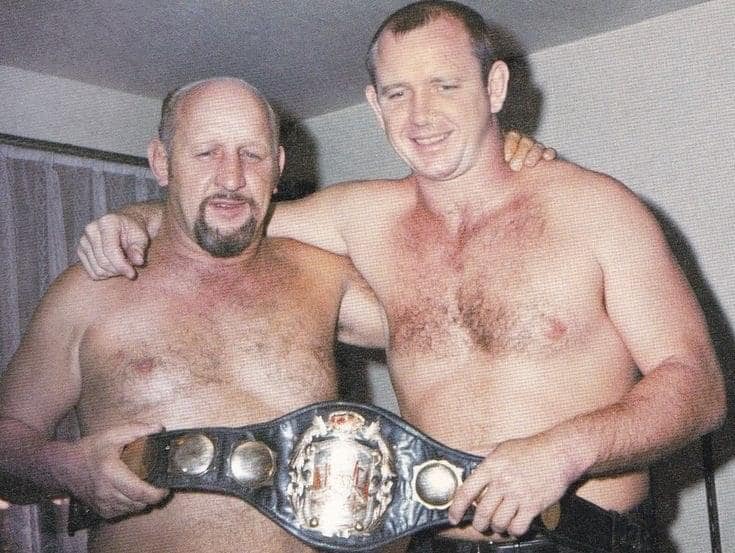
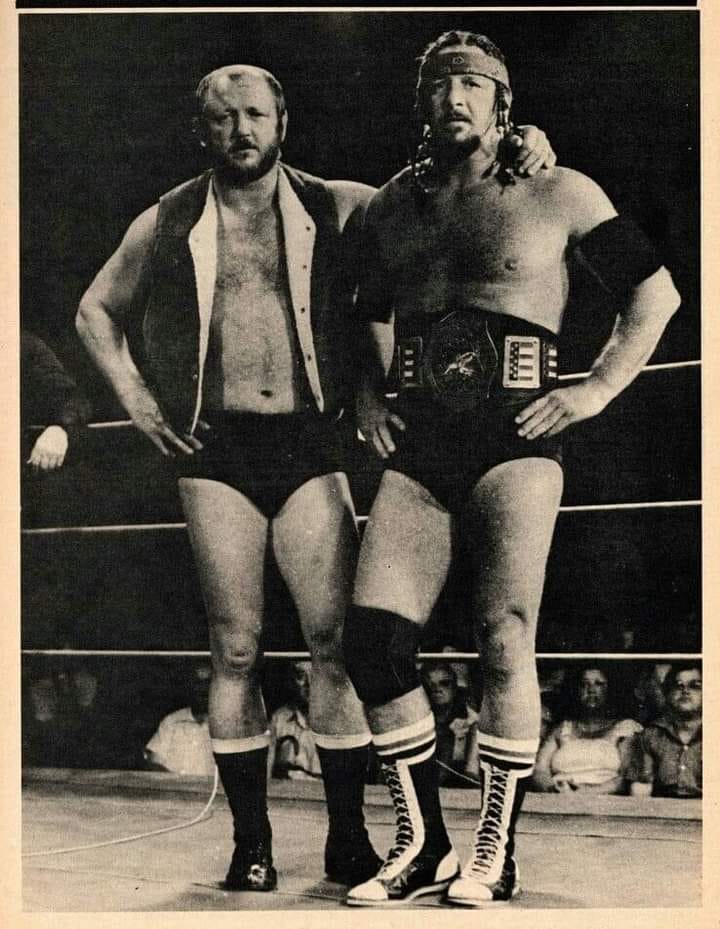
Of course we all know of Dad’s amazing unprecedented and probably never to be matched wrestling career. I just discovered and watched on YouTube a recently uploaded match of Dad and Jack Brisco in St. Pete from 1972. Eddie Graham, Gordon Solie and Jack himself did the commentary. It was an hour long broadway for the NWA world championship of which Dad held the strap longer than anyone else, some 4 and a half years of consistently drawing big houses all over the country. Looking back, us kids waiting on our dad dreaded the hour long broadway, but it was a thrill ride for the fans. The energy of those matches would rise and fall, orchestrated by Dad’s feel for the crowd, drawing out all kinds of cathartic emotions from every fan there, tapping into his and Jack’s supreme talent. Dad was truly a master of his sport, his art, his profession.
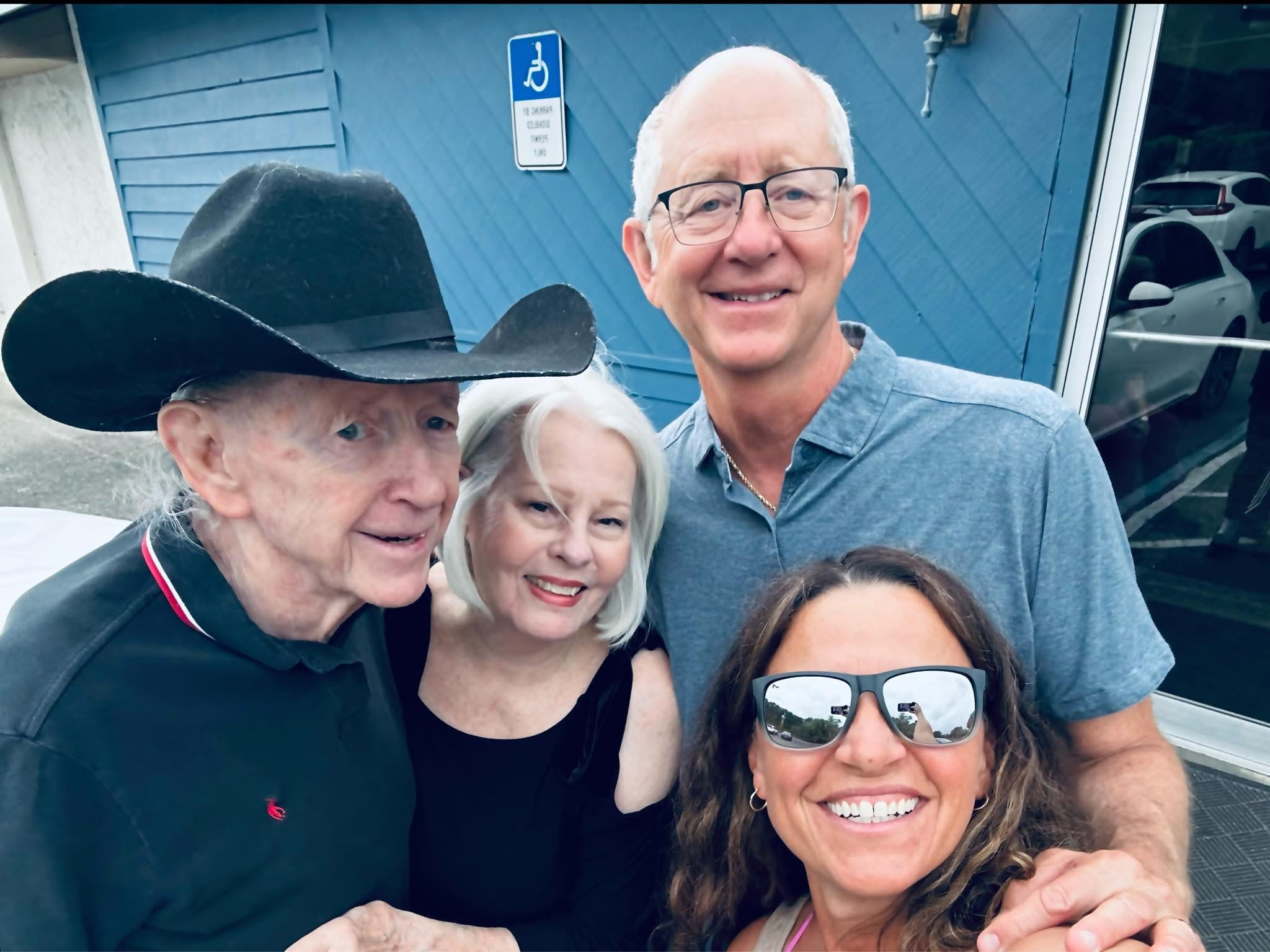
In closing, if Dad was anything besides a professional wrestler, it was that he was a happy person. He shared that happiness generously. He drew my wife Nazlie into our family like a magnet. He always smiled, was always pleasant, always shared that happiness with those around him like a beacon. I suspect that all of you here today have felt that too. Thank you all for coming and thank you all for sharing Dad’s happiness.